1578: A Short Story of Human Adaptation
How we create new craft, new meaning, new literacy and so new agency through our ability to adapt

Once upon a time in a bookshop…

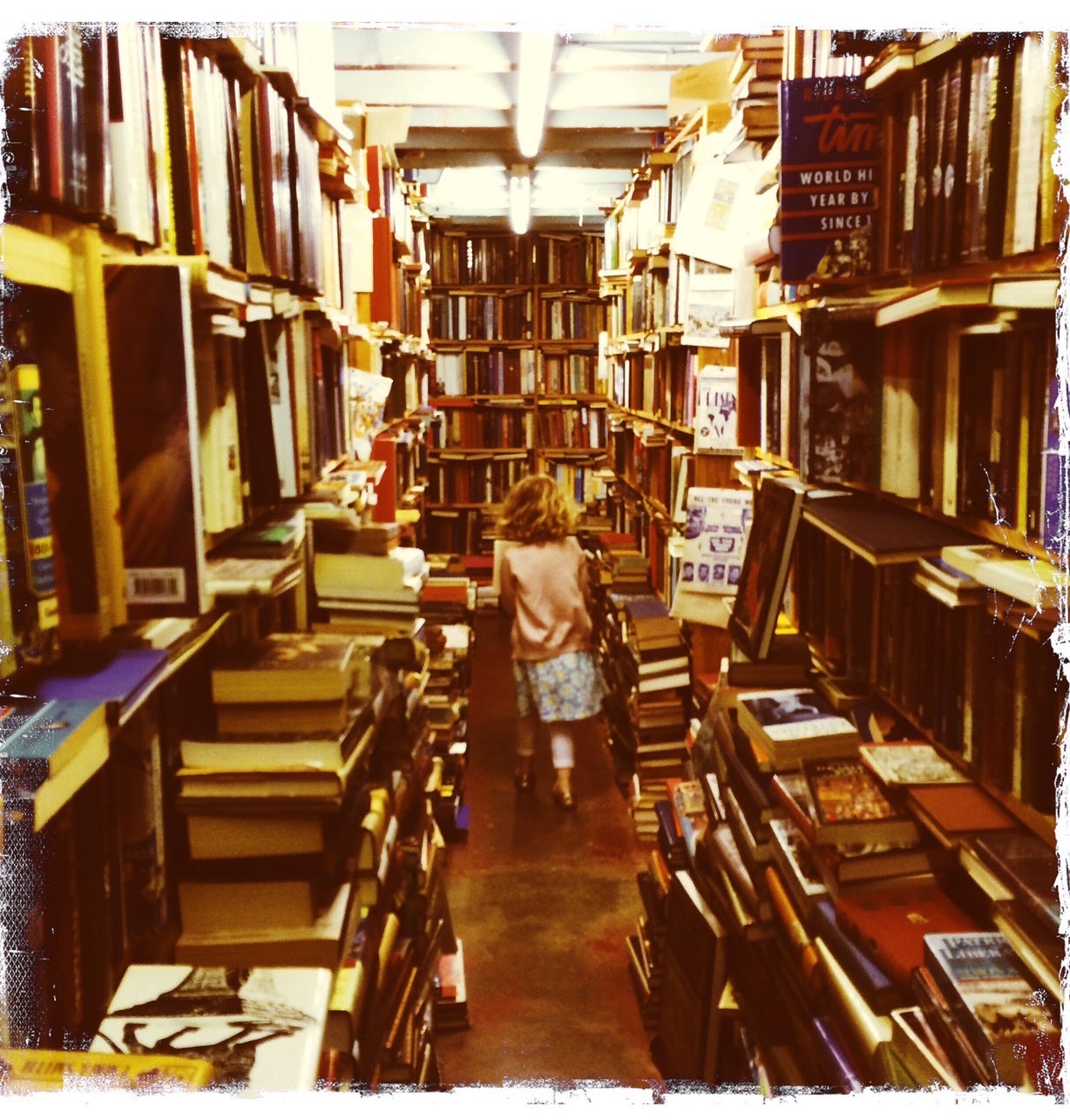
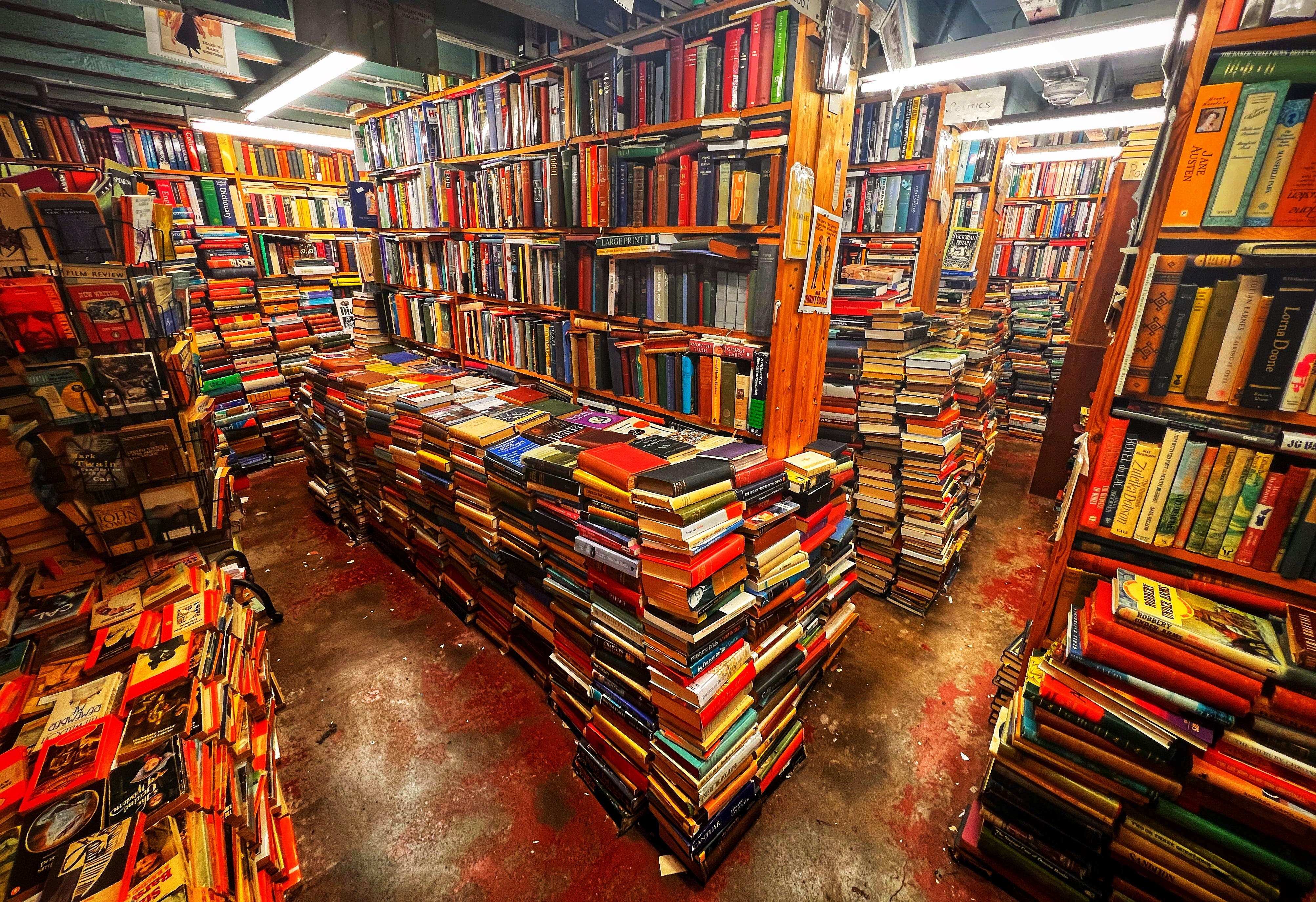
Camilla’s Bookshop, Where Time Forgot to Organise Itself
There are few places on Earth where gravity seems to take a polite holiday. Camilla’s bookshop in Eastbourne is one of them.
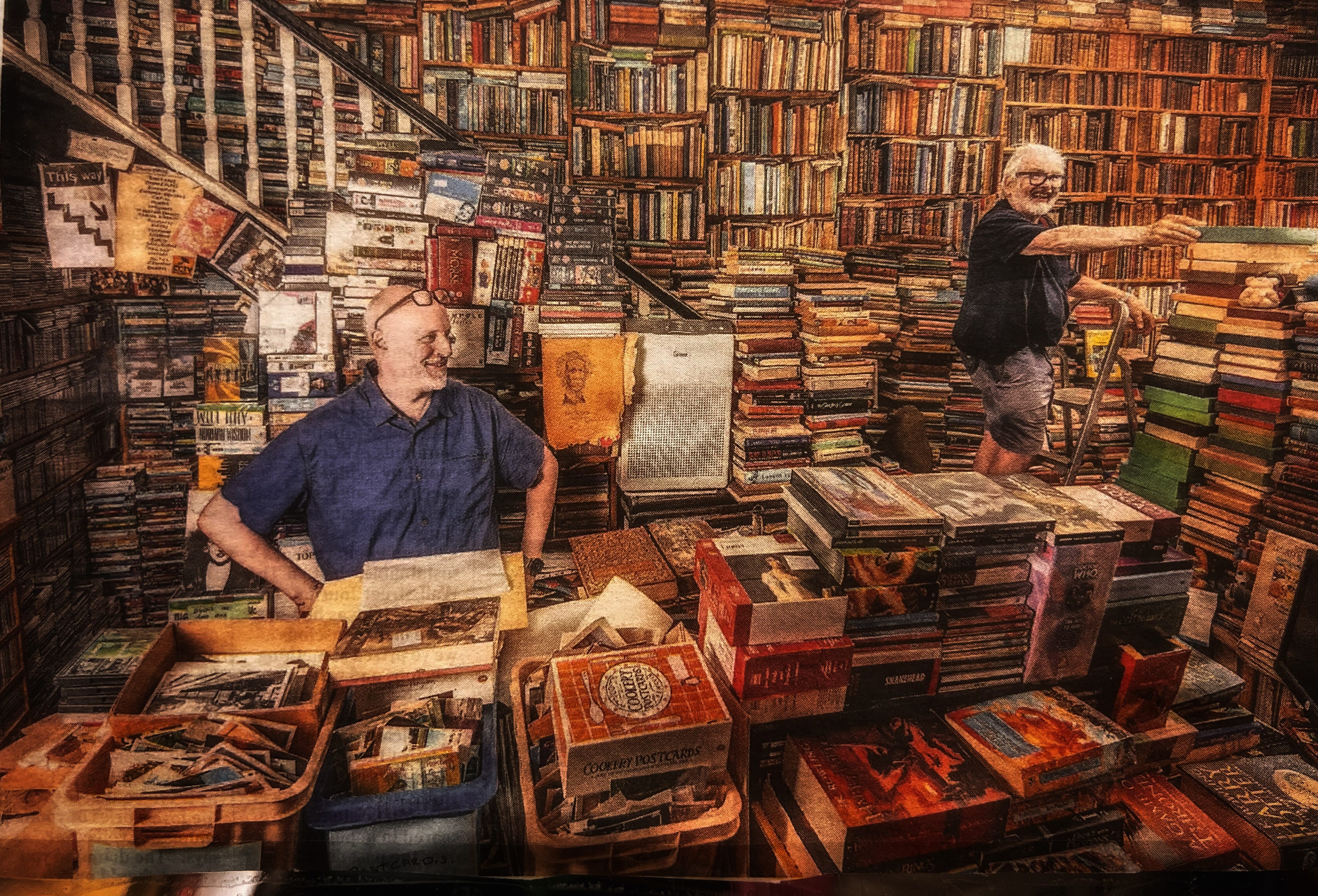
It is not that gravity is absent—books still fall—but rather that it is indecisive. A book leaning perilously from the top of a stack may remain frozen in that position for seven years, as if gravity simply cannot be bothered to finish the job. The shop smells of paper, old wood, dust, and the faint ozone of stories waiting to happen.
It was here, one fog-drenched morning, that a customer—let’s call him the sort of person who can’t resist a stack of orphaned pamphlets—wandered into the dim back corner under the staircase. There, half-slid behind a crate of first editions and a biography of someone whose name no longer sparks recollection, he found a tiny book.
Not just any tiny book.
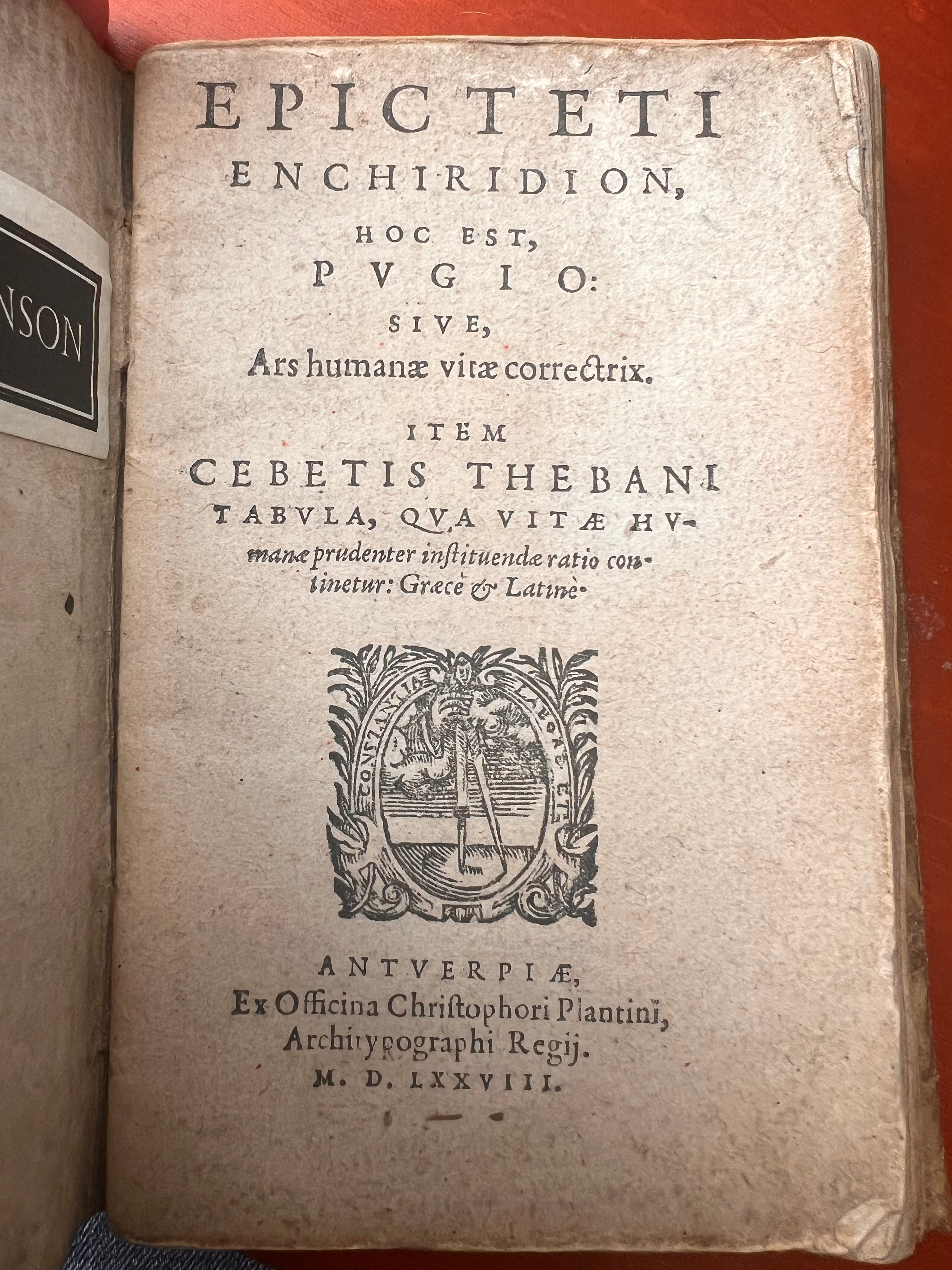
A 1578 Plantin printing of Epicteti Enchiridion—a copy so rare that only eight are known to exist. Its paper had the soft, soft wear of something that had travelled through history in someone’s pocket rather than their library.
He brought it to the counter.
Camilla—who has mastered the ancient art of pricing anything from a Beano annual to an uncorrected Shakespeare quarto—looked at it, held it up to the light, frowned, flipped a page, sniffed it, which is standard practice, and then said the strangest thing a bookseller can ever say:
“I… can’t price this.”
This is how trouble always begins.
Not the bad trouble. The interesting sort.
The Book That Shouldn’t Exist
The little Plantin volume lay on the counter like a time traveller trying very hard not to be noticed. On its title page, the year 1578 glimmered faintly, as if remembering sunlight from Antwerp. Christophe Plantin’s workshop was, in its day, the closest thing Europe had to a software company: fast, prolific, occasionally accused of heresy, and constantly inventing new ways to reproduce knowledge at scale.
The customer turned the pages gently. They whispered like old silk. And then something very odd happened.
A scrap of folded paper slipped out. Not 16th-century paper—no, this was modern, obviously torn from a notebook. On it was scribbled:
“Every age fears its new literacy. Every age adapts.”
Camilla raised an eyebrow—an expression refined through decades of bookshop diplomacy.
“Where did you get that?” she asked.
The customer turned the Plantin book toward her.
It seemed to shimmer, just slightly.
And then the lights flickered.
Time Opens Like a Second-Hand Atlas
To be very clear, Camilla’s does not usually host temporal anomalies. Books falling on your head? Yes. A stack of 1970s sci-fi spontaneously reorganising itself alphabetically? Frequently. But time itself bending politely around a first edition? That was new.
When the lights returned, the shop had not changed. But the world inside the little book had.
The customer read the next line:
“1578 → 1982 → 2025.”
And so began a different kind of story. A story of an under-appreciated force of nature.
The force of panic.
1578: The First Panic
Inside the book appeared a procession of worried men in robes, gathered around a freshly minted printed volume. They spoke in the standard register of 15th-century technological pessimism: grand, gloomy, and loudly confident.
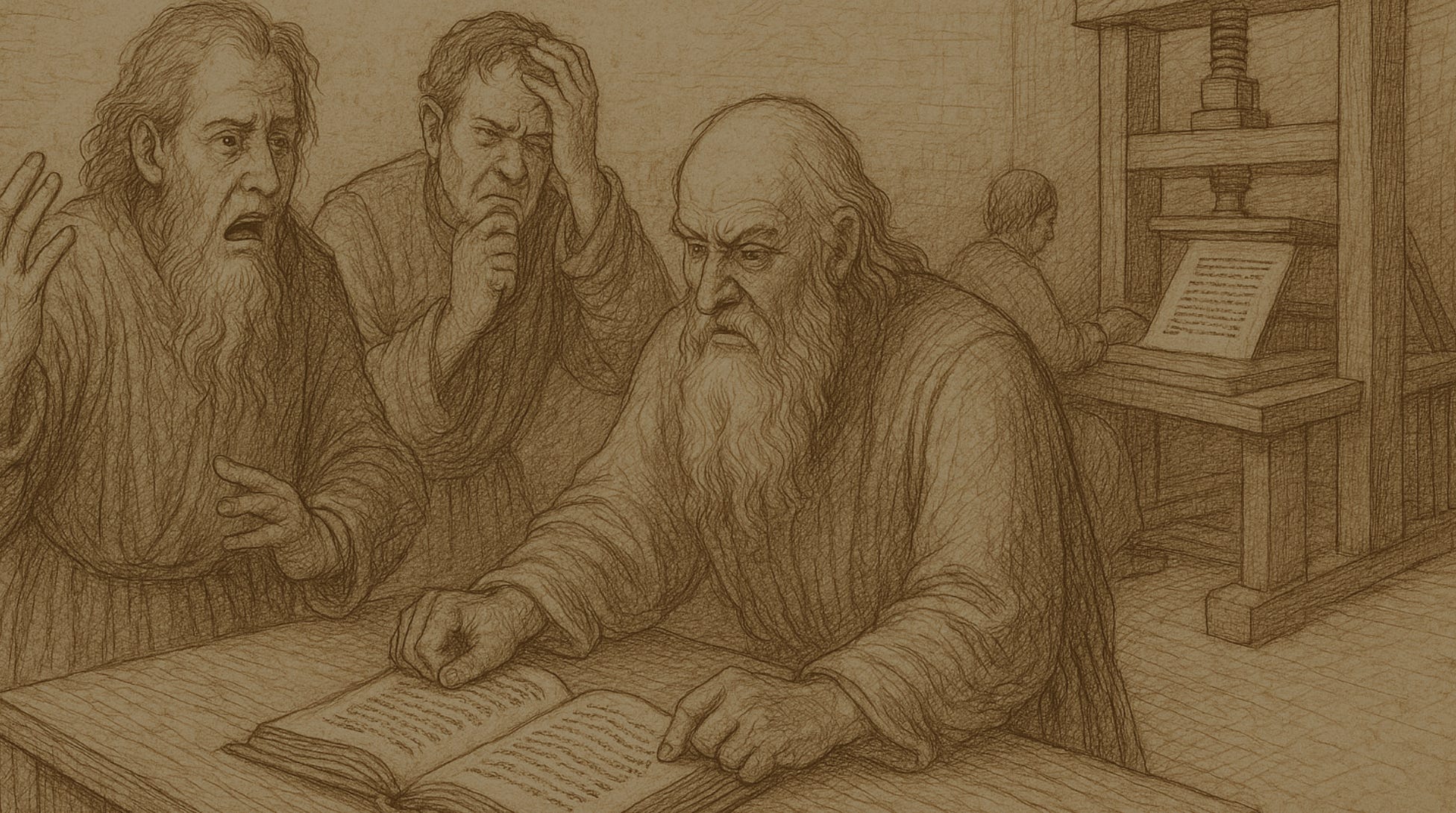
One declared, “Books produced by printing are devoid of grace—they stink of the press, not the pen!” An aesthetic complaint.
Another muttered, “Errors will multiply and become immortal!”. A complaint of accuracy.
A third announced that the printing press would ruin the economy of monks and scribes. A fourth shrieked that knowledge would fall into the wrong hands. A fifth insisted that readers would become lazy.
It was, in short, the complete set of reactions humans produce whenever something uncomfortable, like a new chair, arrives.
Plantin’s presses roared on anyway.
1982: The Synthesiser Panic
The page in the book turned backwards and forwards, like a filmstrip in a faulty projector. Suddenly it showed a trio of 1980s rock musicians glaring at a synthesiser with the moral outrage usually reserved for tax audits.

One shook his mullet and declared, “Real musicianship will die.”
Another proclaimed, “We’ll all be out of work.”
A critic, who no one had invited but who personally felt he was essential to the dialogue, insisted digital music was “Xerox art.”
Brian Eno materialised briefly to offer a line about effortless creation leading to effortless forgetting, before wandering off to invent ambient cricket commentary.
The same complaints as 1578, just with more hairspray.
2025: The AI Panic
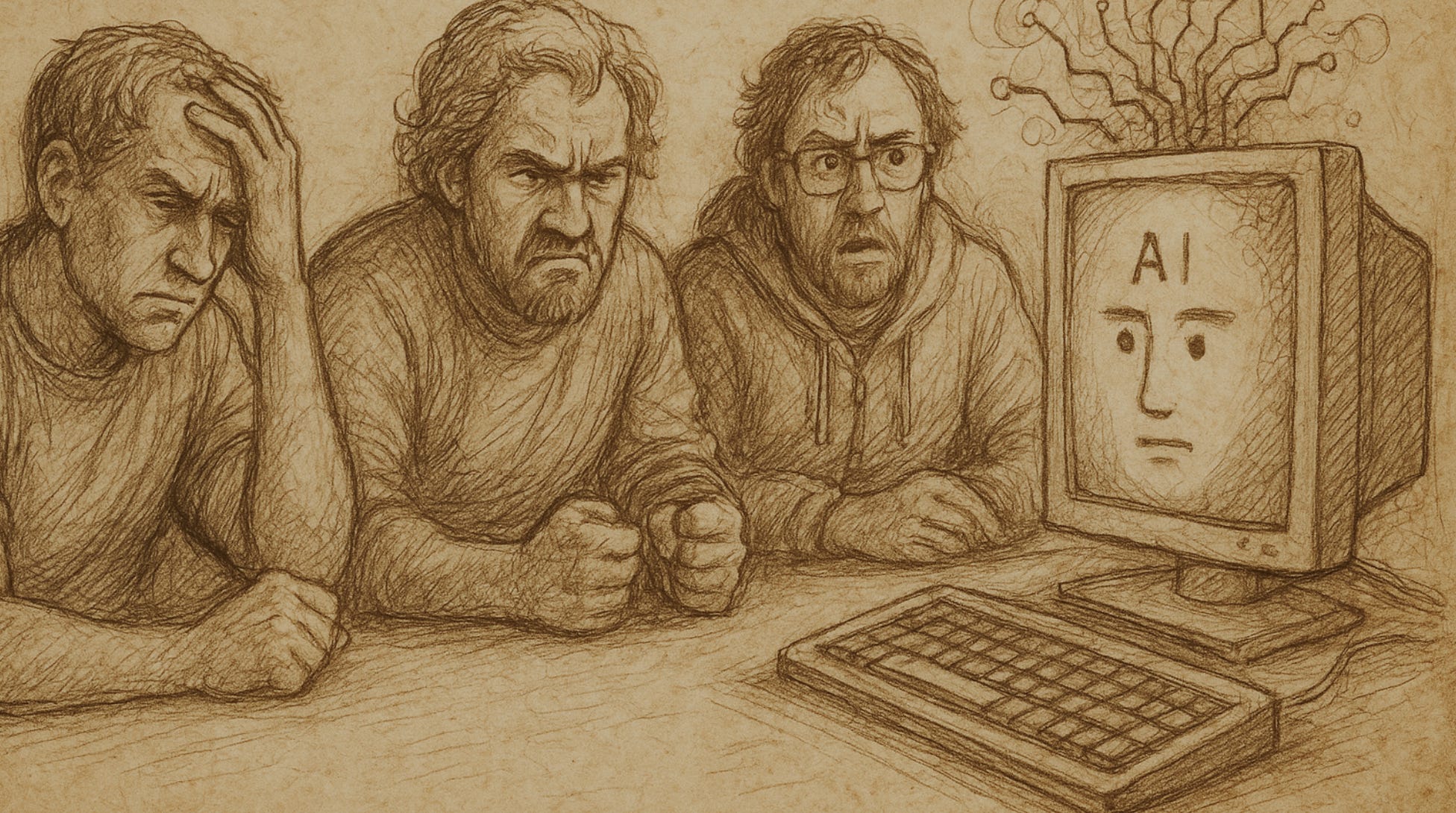
The next page displayed three modern engineers glowering at an AI coding assistant glowing smugly on a monitor:
“Craft is cheapened.”
“Developers will stop thinking.”
“We’ll lose our jobs.”
“Knowledge will fall into the wrong hands.”
“People will become lazy.”
And beneath it, someone—perhaps the same mysterious note-writer—had scribbled:
“This is not the first, or last, time.”
A Pattern Revealed
At this point, the Plantin book began to behave suspiciously like a lecturer who has been waiting centuries for someone to ask the right question.
On the next page appeared a diagram showing the literacy shift that each era faces :
From memory and oral tradition → to scribal literacy,
From scribal literacy → to printing literacy,
From print → to digital,
And now from digital → to AI-augmented literacy.
Each time, a new platform amplifies human potential.
Beneath it, in an elegant hand:
“Literacy is always about agency; about who shapes meaning.”
The customer could almost hear Plantin himself whisper:
“When knowledge changes its shape, humans must change their reading.”
And here the book did something truly outrageous.
It began giving advice.
Lessons from 1578 for 2025
The book said:
Every new technology provokes a historical allergy.
The symptoms are predictable: nostalgia, pessimism, fear of laziness, fear of error, fear of economic doom.
Every new technology expands who gets to create.
The printing press cheapened books, yes, but it also created readers.
Synthesisers cheapened sound, but created new novelists of noise.
AI cheapens code, but creates new kinds of software literacy.
The world belongs to those who learn the new literacy first.
In 1578 that meant learning to read printed books.
In 1982 it meant learning to programme a Moog.
In 2025 it means learning to read, write, debug, test, and supervise AI-generated code.
When the genie is out of the bottle, the only sensible recourse is to start considering your wishes.
The Bookshop Returns
The lights in Camilla’s flickered again. The book closed itself with a sigh.
Camilla stared. “Well,” she said, “I suppose that explains the price I’m going to set.”
The customer asked what she meant.
“Anything that teaches humanity, across five centuries, to calm down and adapt,” she said, “is priceless.”
Then, after a moment, “But I’ll let you have it for a very reasonable sum if you promise to actually read and share it.”
Coda: Hope, in a Dusty Bookshop
As the customer stepped outside, the sea wind down Grove Road rattling the pages of the past and future alike, he realised what the little Plantin book had been saying:
Humanity always fears the next leap.
It feared writing. It feared printing. It feared synthesisers and samplers. It fears AI.
But every time—every single time—we adapt.
We create new craft. New meaning. New literacy. New agency.
And if a tiny 1578 book found in a labyrinthine bookshop can travel across centuries to remind us of that, then perhaps this moment—this strange, exhilarating AI age—is not an ending, but another beginning, so maybe:
“Don’t panic. Bring a towel. Read the footnotes.”
“Every revolution in knowledge contains the next one in its margins.”
And as the little book itself seemed to whisper as it settled into its new pocket:
“Humanity always writes the next chapter.”