
Of Wheat, Water, Myths & Software
What we still haven’t learnt from Vasa

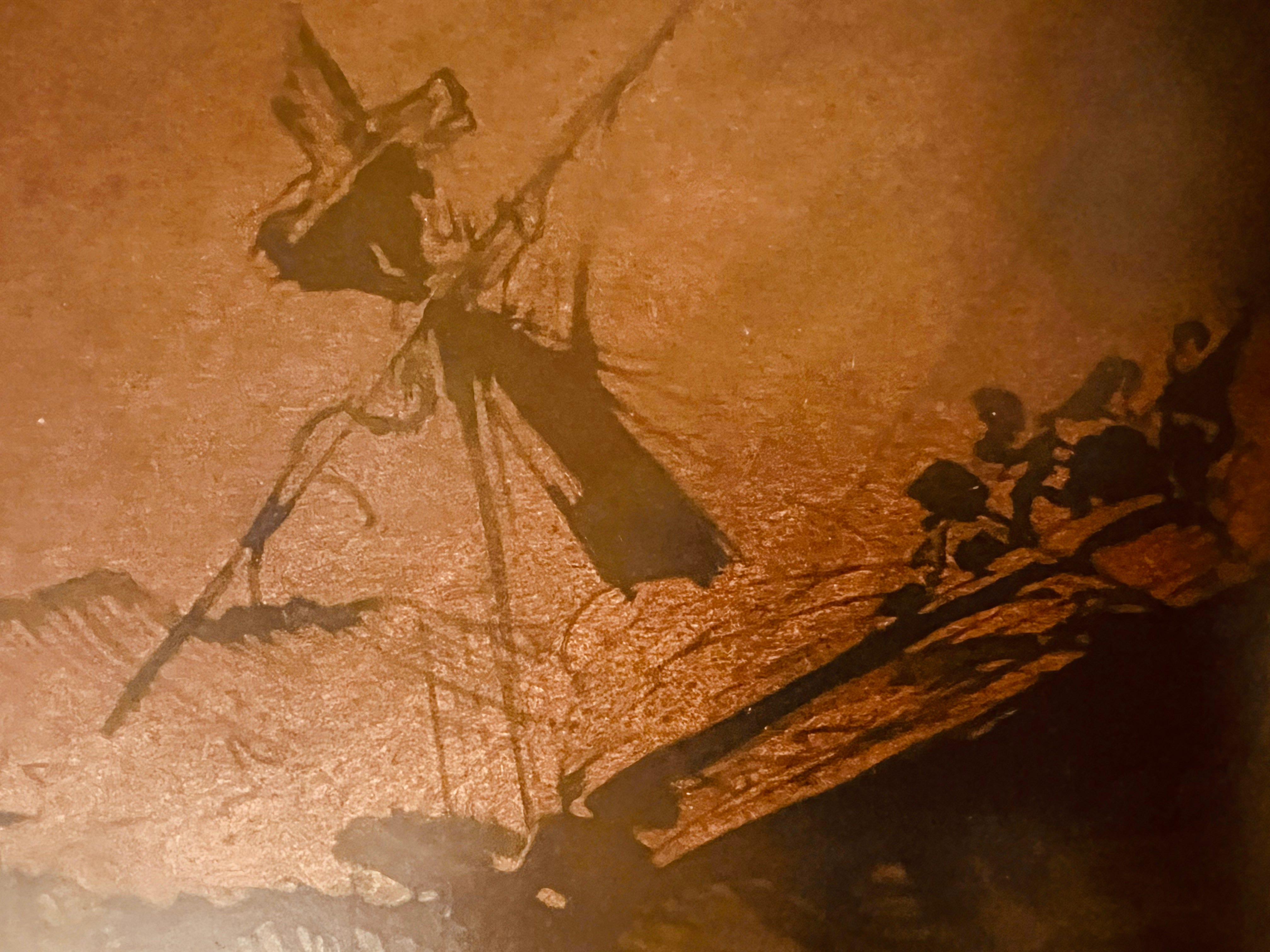
More than grateful for my Finnish parka the plain but cosy Christmas decorations of single stars in darkened apartment windows offer small guidance as we walk the streets of Stockholm. This time of year there are few tourists about at this hour, the temperature well below freezing. My excitement is more than enough to warm whatever my parka cannot.
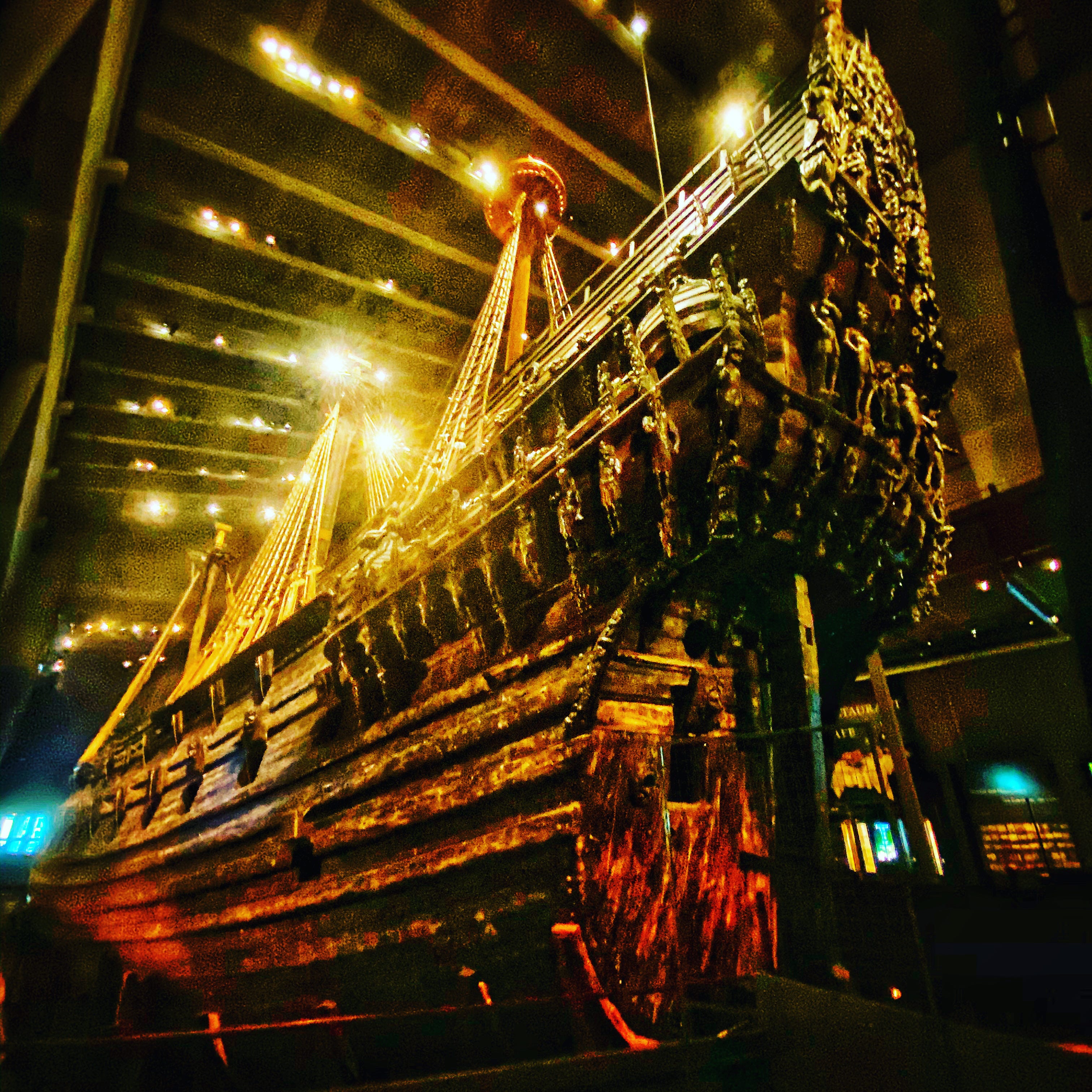
First sight of my goal and I'm transported to another time. The ship before me is a testament to arrogance, belief, and myths. More levels, more cannons, more! You can almost hear "It's all going to be fine; be cool; man up!” around the tarnished timbers.
In person the Vasa takes our breath away. In story it is amplified to a lesson. A message for everyone: Be careful what myths you curate because some will sink your ship.
August 10, 1628 was a beautiful day by all accounts. Sunny and bright with a comforting light breeze. The sort of weather that entices you onto the water. A day that tells you you're blessed and that the universe has your back. There was no hint that the universe was looking to trip you up.
The crowd that gathered brimmed with the confidence. A confidence that what they were about to see would stamp their King's dominance on the waves.
That bright Sunday almost any arrogance could be forgiven. Poland-Lithuania, the great enemy trying to block the expansion of Sweden's glory, would be sent a message. Gustavus Adolphus — Gustav Adolphus Magnus in the making no less — would not be denied by man nor nature. At war already, Gustav wanted and needed his flagship to project his power across the Stockholm Archipelago while he was fighting in Poland. The Vasa was that power, that flagship, and it sailed today.
The Vasa was a thing of splendour and fear. Adorned with the sheaf of grain — “Vasa" means sheaf of grain in Old Swedish and was the heraldic symbol of King Gustav's family as well as being the name Grandfather Gustav Vasa — this ship would send a message around the world: Sweden rules its own waves.
In numbers the Vasa was a terror. 226-foot-long with two gun decks supporting 64 bronze cannons with each broadside hit capable of hurling 250 kg (550 pounds) of shot. A total 450-soul crew could know they were packing twice the power in battle than any other ship of her day. After taking communion and navigating the busy docks and waters swarming with local boats carrying people desperate to see this momentous launch, 300 lucky members of that crew boarded the Vasa along with excited members of their families. Their women and children would have a front row seat to this incredible day, basking in Sweden's triumph. The Vasa was invincible, unsinkable, incredible.
And fatally flawed.
All excitement ended with the ship's designers. Eager to please upper management and tight timescales the designers and engineers had ignored their better judgement.
Perhaps none of that mattered now. Perhaps. Maybe hope and faith were a good enough strategy.
Casting off late in the day the Vasa drifted under anchor while four of its ten sails were set. A current pulled the ship along, helping the ship out from shelter ready to catch its first breath of the sea winds that would carry Vasa to victory. A brace of open gunports brandished the power of Vasa and with the wind on its side it stamped safety and dominance to the world.
Vice Admiral Erik Jönsson, Captain Söfring Hansson, and the ship's original Captain, Hans Jonsson. were on board. Decorated leadership all present to witness the finest sailing ship of the era take its rightful place on its seas.
For two of the officers this day would be a shame. For one it would be their last.
As Vasa hit its first breezes a small gust of wind filled the sails and the ship lurched to port with water flooding in through those open gun ports. Slowly righting itself the crew and onlookers started to regain control only for a stronger gust to push the ship back towards its port side to submerge the gun ports again.
Water poured in and the unthinkable was set in motion. In minutes Sweden's glory was at the bottom of the bay taking thirty crew with it including Captain Hans Jonsson. Leaving the rest to fight for their lives amongst the waves.
Later, in warm and comfortable committee rooms the Riksrådet, Council of the Realm, pored over the investigation into what had happened. The answer? Blame. The design was flawed. Too high, too many gun decks, the entire ship was unstable. The design was the problem.
But the designer, Henrik Hybertsson, was an experienced and well-respected master shipwright who had built many successful warships. That experience had sadly not counted for much though in the case of Vasa. Vasa's size and armament distribution was something entirely new.
The key when designing new ships was to balance stability with speed. A tall ship — and none were taller and had so much weight so high as the upper cannon decks on the Vasa — required more hull below the waterline to be stable enough to take the waves of the high seas. More hull below the water means a slower, less manoeuvrable ship. A slower ship means a sitting duck in a canon fight.
The maths needed to predict stability and balance with speed was over a hundred years in the future. Because of this It was normal for new ships like Vasa to be unstable at first. There were ways to fix the problem later
But to be improved the ship had to survive. You can't heal a passed patient, and you can't improve a "crank" ship when it is at the bottom of the bay.
Little can be learned when blame is the chosen tool. Vasa is trying to teach us a lesson across the centuries, a lesson any organisation hoping to build highly safe, secure and reliable systems can benefit from. The gift of Vasa is that it's trying to dispel a myth.
The myth that human arrogance can survive in the harsh light of physics. The myth that moving fast and breaking things is a good idea. The myth that seeking blame is another good idea. The myth that we learn from disasters by default. The myth that the divine right of Kings cannot be denied. The myth that the bosses know best.
The myth that a culture of fear, a culture of psychological unsafety, can produce successful innovation.
None of these myths survive the story of Vasa although they tenaciously persist today in so many software development organisations. Psychologically unsafe environments power critical technical infrastructure not aware of the lessons of Vasa. Just as in the case of Vasa, people know how much luck is being ridden. They know how high the stakes are and how poor the cards are dealt. But they won't speak up because it is not safe to do so. Because they will be accused of incompetence where awards for learning should abound.
Want to innovate fast and safely, you must have a psychologically safe workforce. They must be listened to. No appeals to authority, no passive-aggressive threats, just open channels and genuine trust that everyone’s opinion is needed, sought, respected and safe.
Our myths define us, limit us and sometimes condemn us. They also support us, teach us and nourish us. In this series of blog articles I'm going to be exploring the nature of myths, particularly in software development, to try and unpack the positive as well as the negatives in the myths that we built our industry on.
If you have a myth to share, or just a story of your own experiences with the challenges of innovating in modern (or historical) organisations and cultures, then please reach out.
It’s from these stories and myths that we all get a chance to learn. You never know who’s listening and how much of a difference your story might make.
The Vasa Today