
Plantin’s Platform: The Expected and Surprising impacts of a successful Platform, Part 1
Part of the Software Engineering Enchiridion

Part one of this first, two-part entry in the enchiridion of software development explores the pattern of impact you can look for when you’re establishing an internal developer platform. The model I use I call the Cone of Platform Impact:
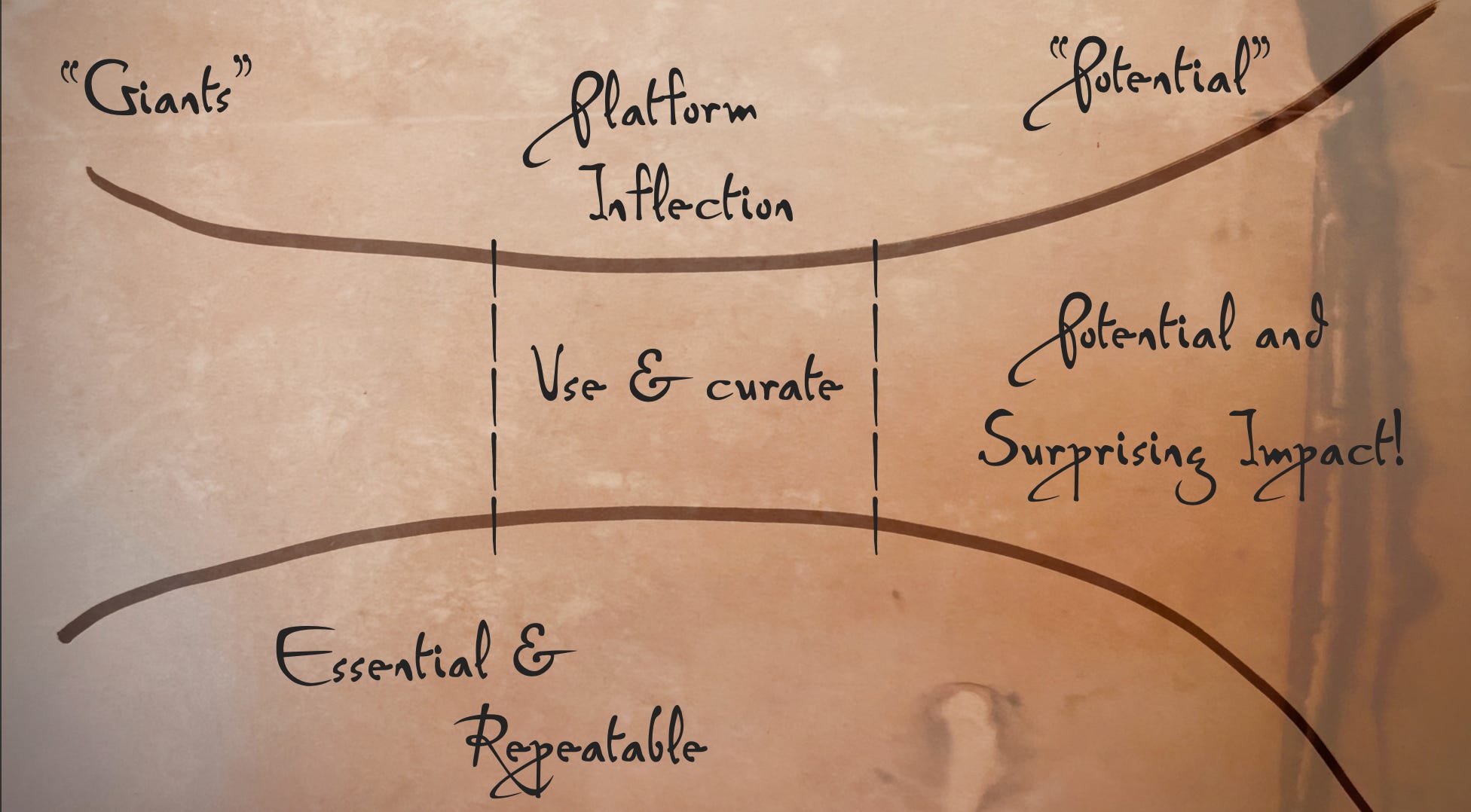
Moving on the time axis from left to right, every platform stands on the shoulders of “Giants”, curated from all the incredible technology, process and practices that have gone before. These channels of innovation are then curated, composed and provided as a platform for the future, tuned to the needs of an organisation, an industry or even the whole world.
When done right, there is always a mix of impact that is expected and impact that is surprising. Ideally both are positive to everyone. This combination of intentional and surprisingly beneficial impact is the hallmark of a great platform as it meets the world it is hoping to affect.
Ultimately every platform across time can be viewed through this Cone of Platform impact model. Your internal developer platform as much as for a platform borne in 1578. That platform changed the world intentionally and surprisingly. That platform was Plantin’s.
1578: Plantin’s Platform
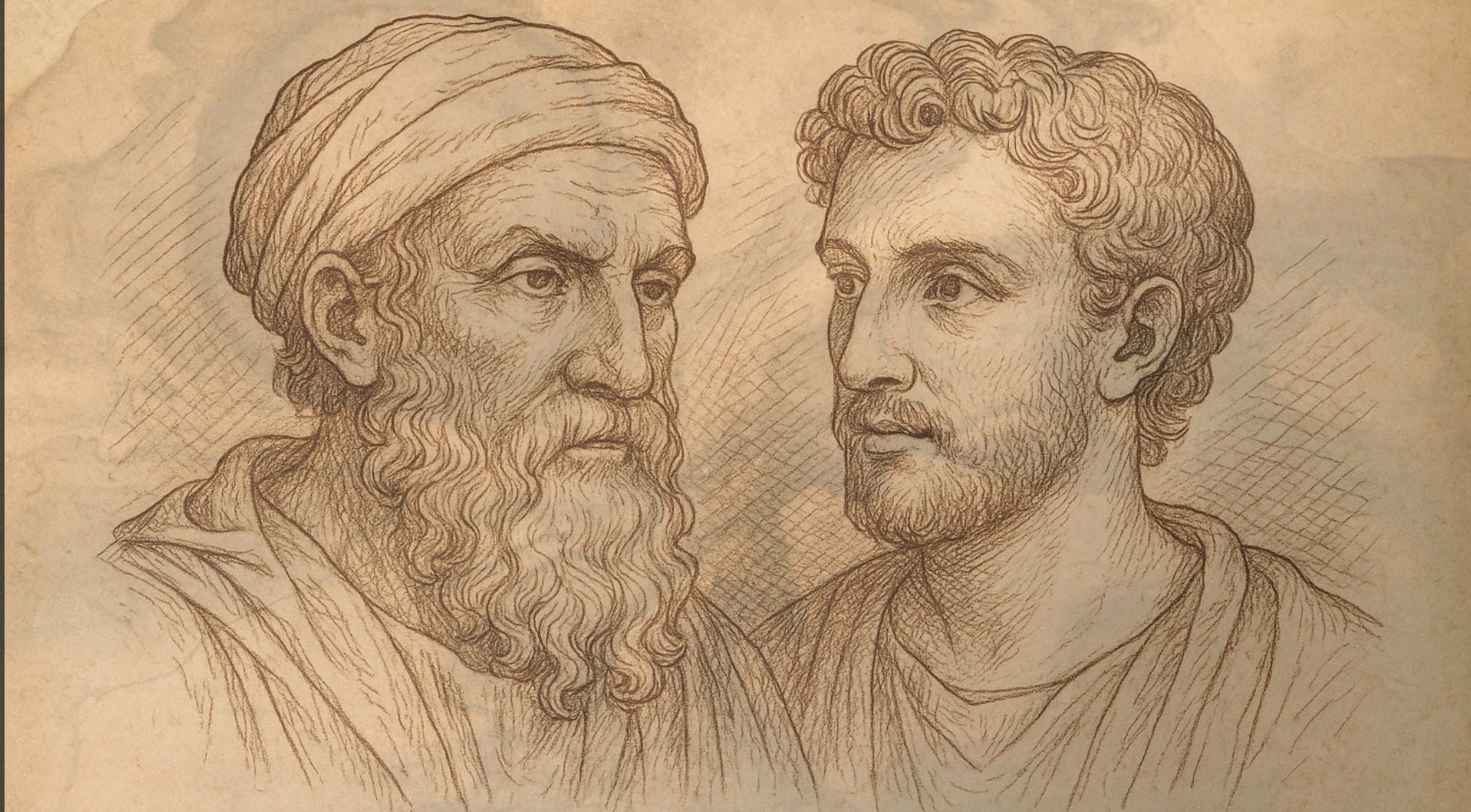
Arrian sits there, reed in hand. Epictetus speaks.
Epictetus using the age-old platform of oral knowledge transfer. Memory, meter, formulaic phrasing. Sadly they seemed to have come late to jokes. Standing on the shoulders of giants, the teacher channels the rhapsode’s poetry and performance, the sophists rhetoric and persuasion. All of this is channeled into his words that meet the resistance of air and eardrum. A man who could not walk right, but whose words walked further than armies.
Arrian wrote them down. One moment, one copy, and then the words were on the page. For Arrian there are other giants involved. His platform is built from alphabetic writing; writing implements; papyrus and scroll. Without Arrian’s scratches, there would be no book.
Antwerp, 1578. Christophe Plantin, master printer, leans over a press that smells of oil, smoke and sweat. He is printing Epictetus’ Enchiridion.
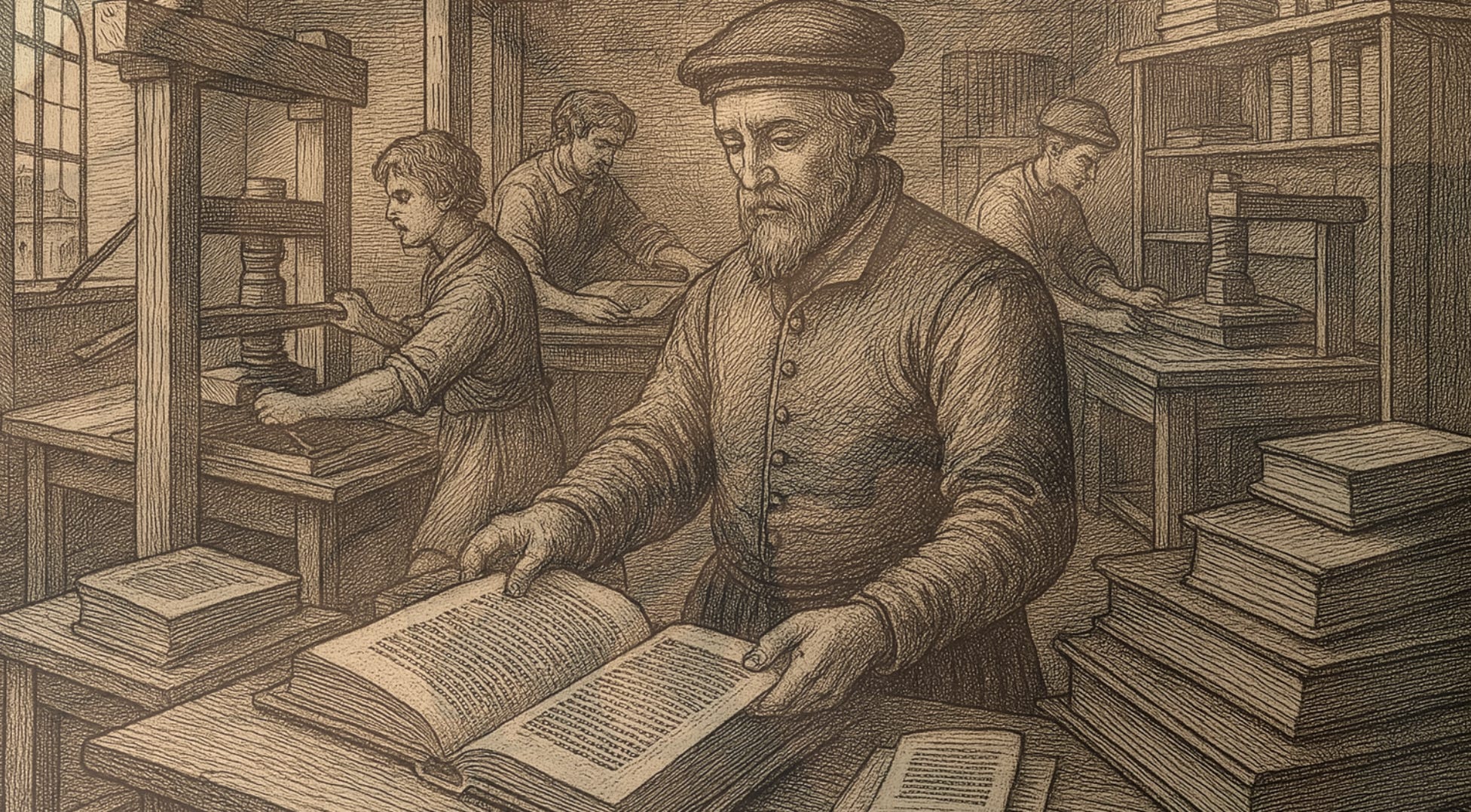
This is mass media before media became a morass. The internet before the internet.
At that moment, to the south a boy is fourteen and learning that his dreams of the priesthood are not to come true. This leaves him hungry. Not for food. For proof.
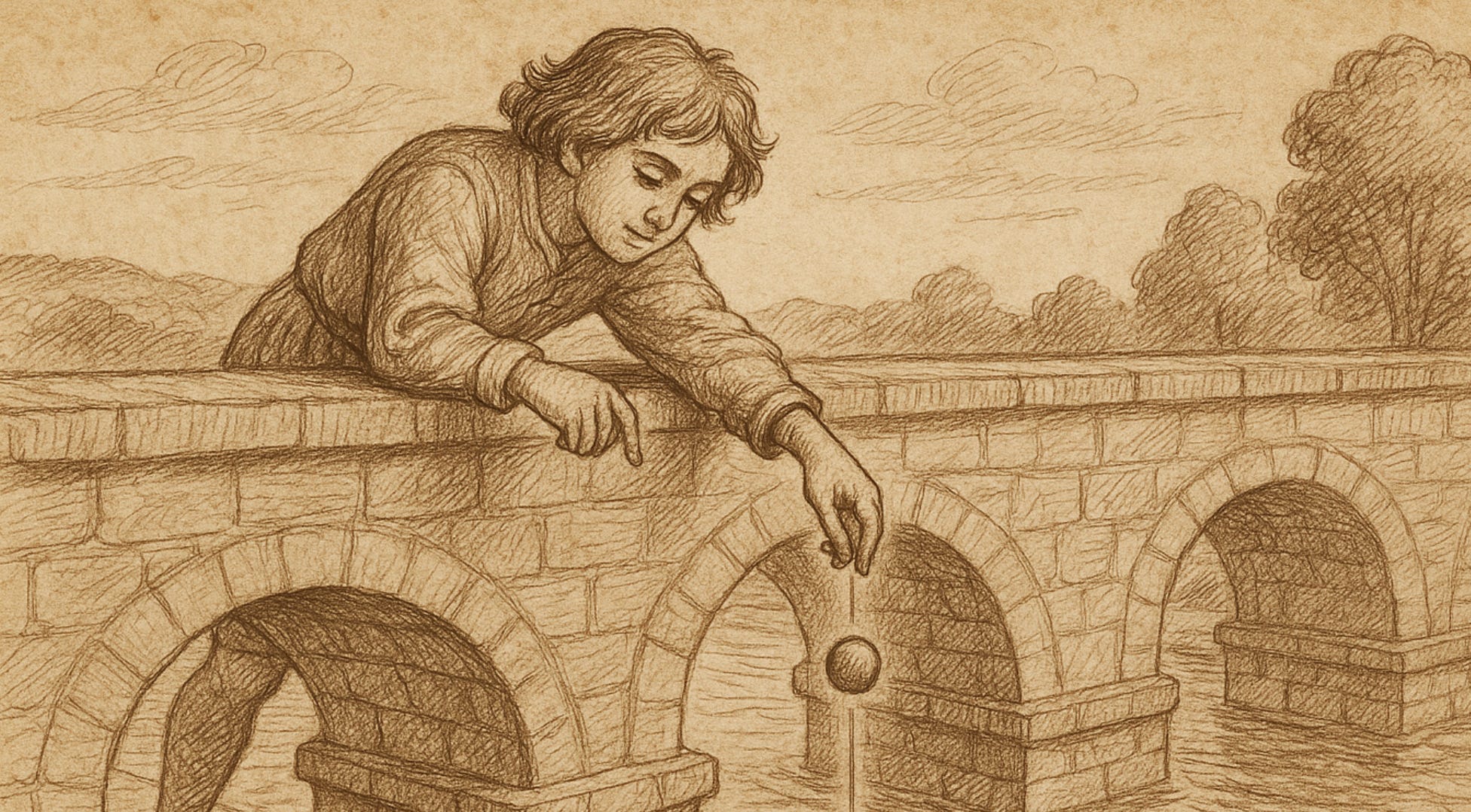
He reads scraps of old thought, and his brain catches fire: truth can be tested, not just told. He builds telescopes like other people build fictions. He is Galileo. He is the founder of modern science.
A boy in Stratford, also fourteen is neck deep in Latin. He doesn’t care about Epictetus yet. But he will live in the wake of Plantin’s platform.

Books are spilling across Europe, cheap enough that even a glove maker’s son can borrow one. Words everywhere. Soon he’ll stack ideas like kindling and light the English stage on fire. He is William Shakespeare.
Some in the future may doubt he exists, none will doubt his works.
A man is forty-five and retiring to a tower on one corner of hist estate. He begins to explore ideas, attempts at understanding the human condition. He stumbles on a new literary form, literally called “attempts”. In his native French, Essais.
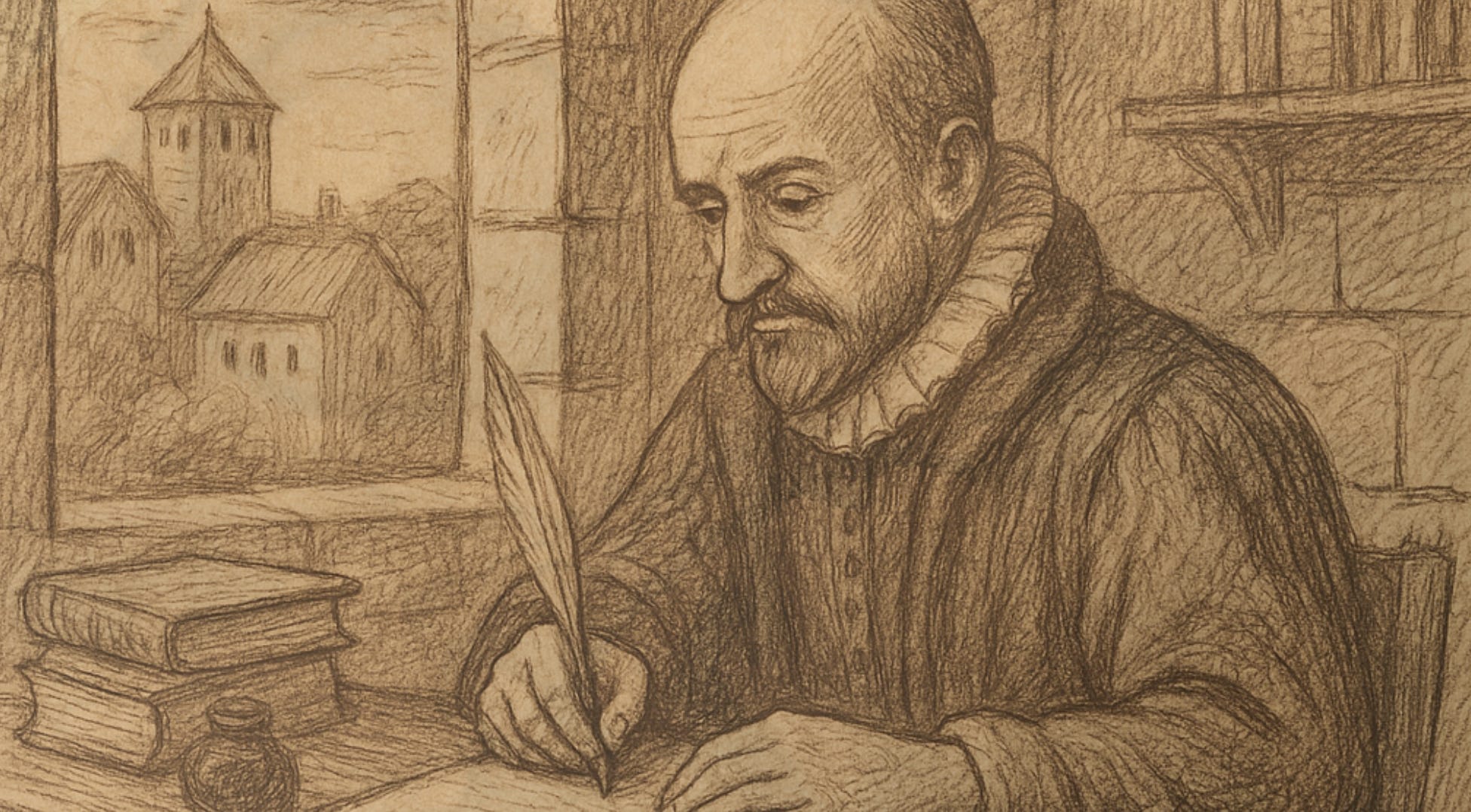
He loves the Stoics, loves the Romans. He has Epictetus and philosophy books by his side, in French, in Latin, some in Plantin’s editions. He quotes them freely, bends their lessons into the personal.
Returning to Plantin himself. Middle-aged, printing as if chased by time. He knows wars will eat cities, censors will eat ideas, fire will eat libraries, plague will eat people. He fights entropy with type. Every day, he gambles against silence. Some days, like this day, he wins.
So there they are, all living inside the same twenty-four hours in 1578. Galileo squints at the stars and dreams of falling objects. Shakespeare skips Latin drills. Montaigne leans on Epictetus like a fellow traveller over wine. And Plantin keeps the press running, pulling the lever that pulls them all forward.
This thread is thin, but real. One slave’s words, caught by one student, copied, recopied, and then pressed into paper by Plantin. From there, they spill outward, bending the minds of men who bend the world.
The intended impact of Plantin’s platform is profit. The surprising impact was modern science, the finest words of literature in English, literacy itself. The is the nature of a successful platform. Intended and wonderfully surprising impact.
This platform all hangs together the book. This book. From 1578, with only 7 other copies known in existence.
And it hangs on the quiet insistence of a man in Antwerp, rolling out Epictetus in 1578, as if the future depended on it. Which, of course, it did.
In Part 2 this story is distilled into maxim for your own platform engineering enchiridion, distilling the practices and things to avoid to maximise your chances of obtaining the dual effect of intended and surprising beneficial impacts of a well-curated platform.
If you enjoyed this article in the Software Engineering Enchiridion series you might also enjoy:

