
The Myth of Generational Divides
There are no generations, only humans at different distances from their formative experiences

It’s comforting to imagine that history unfolds in clean, generational chapters. The Boomers had their Woodstock and mortgages; Gen X their Grunge, cynicism and irony; Millennials their avocado toast and debt; Gen Z their screens and anxiety. We like to believe each cohort carries a distinct moral code, as if humanity updates every twenty years like your phone’s operating system.
But this is mythology—one of the most persistent and profitable of our time. The “generation gap” is less a sociological discovery than a marketing invention, born in the mid-20th century when advertisers realised they could sell the same soap differently to each age group. Managers, consultants, and pundits followed suit, turning the accidents of birth years into identities. A Boomer becomes a brand. A Millennial becomes a demographic segment. A Gen Z’er becomes a position.
The problem is that people aren’t software versions. They are stories in progress, shaped by biology, circumstance, and the slow weathering of time. Most of what we mistake for generational difference is simply age—a twenty-year-old in 2025 feels impatient with institutions for the same reason a twenty-year-old in 1965 did: they haven’t yet built those institutions, so they see their absurdities more clearly. The older generation, having built them, grows defensive, convinced that critique equals betrayal. Each side forgets that they are merely taking turns in the same cycle.
History reveals the farce. The Victorians raged about the laziness of youth. The Jazz Age scandalised their parents. The Boomers became the establishment they once mocked. Every complaint about “kids these days” is a palimpsest of earlier outrage, written in new slang but the same ink: fear of irrelevance, nostalgia for a simpler order, resentment that the world keeps moving on without asking permission.
Look to the complaints that I featured in my recent talk at Eastbourne’s DigiFest 2025…
“The craft is being cheapened.”
“Errors will multiply and learning will decline.”
“Knowledge will fall into the wrong hands.”
“We’ll lose our livelihoods.”
“We will become lazy.”
Sound familiar? Are you thinking these are the modern complaints against AI augmented coding? If so you’d be right… and wrong.
These are the complaints of scribes in the 15th and 16th centuries against the new “generation”, and platform, of the printing press. Platforms have close relationships with these myths of generational divides.
Yet beneath the myths lie a truth worth rescuing. Events do shape cohorts. A generation raised on war grows wary of ideology. One raised on debt grows cautious. One raised on omnipresent algorithms learns attention differently. But these aren’t moral distinctions; they are environmental adaptations. To call them virtues or vices is like blaming a fish for gills.
The tragedy is that believing the myth of different generations reduces what could be a conversation into a over-simplified contest. In workplaces, it hardens into the lazy shorthand of HR manuals: Boomers won’t adapt, Millennials won’t commit, Gen Z won’t unplug. In families, it turns tenderness into bewilderment: parents and children talking past each other through the static of caricature. In society, it feeds resentment instead of reciprocity.
What we need instead is intergenerational literacy—the ability to read across time. To understand that the young aren’t rebels by nature, they’re just seeing the world for the first time; and the old aren’t obstacles, they’re compendia of scars and experiments. The question isn’t who’s right, but how we can learn to listen across the shifting languages of experience.
The myth of different generations sells us division because division is easy to monetise. But life, and progress, depend on collaboration. The task isn’t to survive the next generation; it’s to build with them, to pass on tools without insisting on blueprints.
Every generation thinks it’s the last sane one on earth. Every one is wrong.
The Branding Exercise and The Workshop
The consultant arrived with a slide deck: “Bridging the Generational Divide.”
He spoke of Boomers’ loyalty, Gen X’s skepticism, Millennials’ purpose, Gen Z’s digital fluency. Everyone nodded. No one learned anything.
When the session ended, the youngest walked out thinking the oldest were fossils; the oldest walked out thinking the youngest were lost. The only bridge built was to the consultant’s next invoice.
In another meeting room, a young engineer spoke in diagrams; the senior architect in anecdotes. Each thought the other impossible. The meeting was thick with polite exasperation until they both leaned over the whiteboard and saw the same flaw.
For one brief, wordless moment, they laughed—the same laugh, different decades apart. The problem they solved wasn’t in the system. It was in the silence between them.
There are no generations, only humans at different distances from their formative experiences
The myth of generations flatters us with false coherence. It gives chaos a name, draws tidy lines across the mess of human experience, and lets each of us feel both special and misunderstood.
To say “my generation” is to join a chorus, to belong. But it’s also to forget that the melody repeats — only the instruments change. Beneath the slogans and stereotypes, what we call generational difference is usually the rhythm of aging, the slow rotation of innocence into experience, and then into memory.
To see beyond the myth is to reclaim kinship. When we drop the labels, we find the same fears, the same hopes, the same awkward search for meaning dressed in different fashions. The student developer and the retired architect both long to be useful. The parent and the child both crave to be heard. Progress, if it exists at all, is not generational warfare but intergenerational conversation — a relay of unfinished ideas passed, imperfectly, hand to hand.
Some practices
Replace “generation” with “context.” Ask what shaped this person’s perspective? not what cohort are they in?
Pair age groups deliberately in teams and mentorships; mutual curiosity dissolves the myth faster than memos.
Keep historical perspective—today’s youth are tomorrow’s managers, and the cycle repeats. Awareness is the only freedom.
Some things to avoid
The easiest way to sound wise about people is to classify them. The hardest is to see them clearly without categories.
The myth of different generations survives because it’s convenient. It lets us outsource empathy to stereotypes, to believe that our misunderstandings are inevitable, not repairable.
But every time we repeat “kids these days” or “OK boomer,” we surrender the chance to learn how the world looks from another vantage point on the same timeline. The true divide isn’t between generations — it’s between those still curious about each other and those who’ve stopped asking questions.
History doesn’t progress by replacing one generation with the next; it moves when the living learn to listen. The baton isn’t passed cleanly — it’s argued over, dropped, picked up again, and carried forward together.
The real measure of maturity is not in age but in our capacity to stay teachable. The young inherit the tools; the old remember why they were made.
And somewhere between the two, if we’re lucky, wisdom flickers.
Want to talk? Join my new Subscriber Chat
There’s a new addition to my Substack publication: A Software Enchiridion subscriber chat.
This is a conversation space exclusively for subscribers—kind of like a group chat or live hangout. I’ll post questions and updates that come my way, and you can jump into the discussion.
How to get started
Get the Substack app by clicking this link or the button below. New chat threads won’t be sent sent via email, so turn on push notifications so you don’t miss conversation as it happens. You can also access chat on the web.
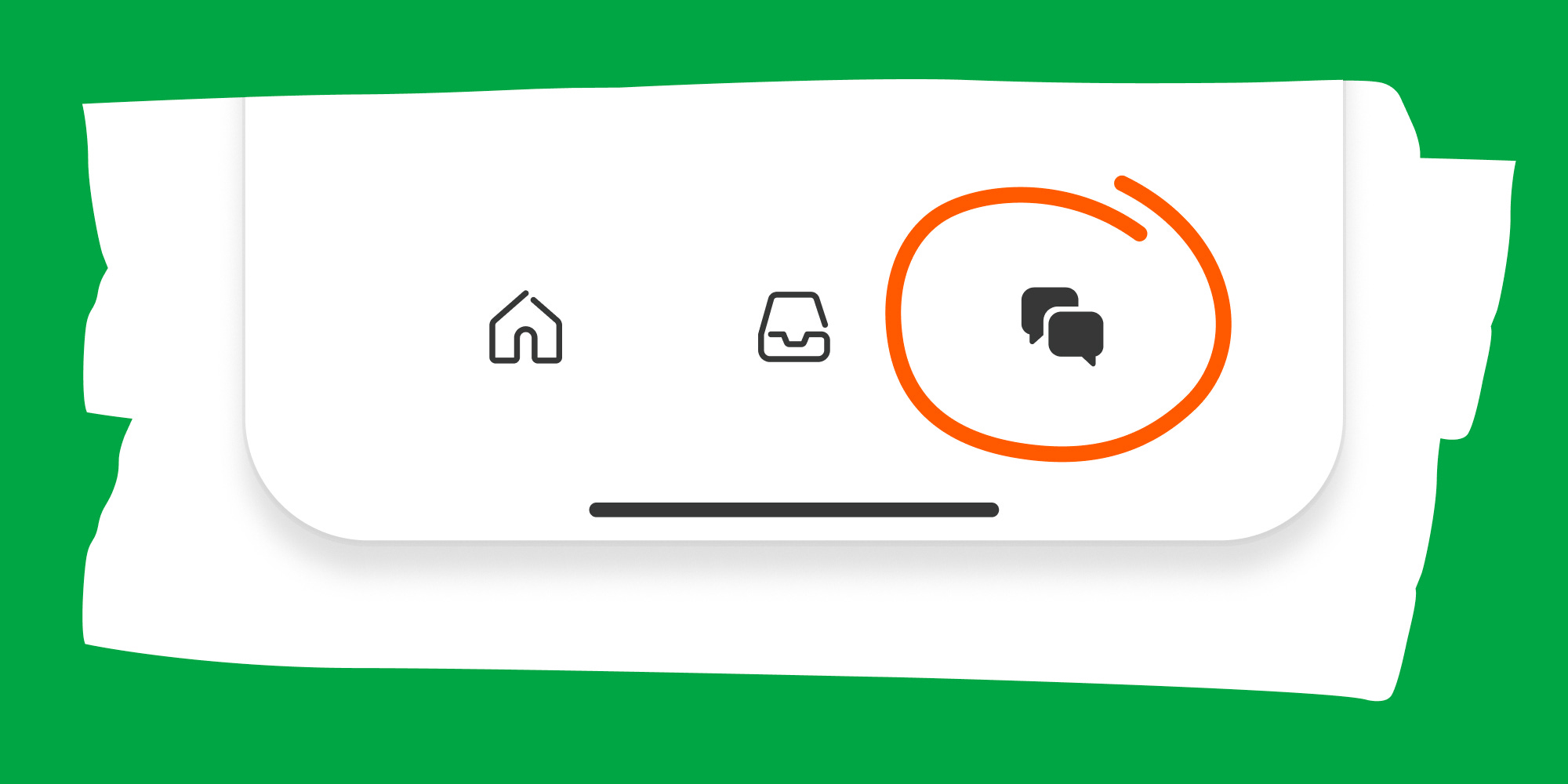
Open the app and tap the Chat icon. It looks like two bubbles in the bottom bar, and you’ll see a row for my chat inside.
That’s it! Jump into my thread to say hi, and if you have any issues, check out Substack’s FAQ.